
TL;DR
TL;DR
Key Takeaways:
- Deploying coordinated networks of specialized agents automates keyword research, outline generation, and metadata validation without replacing editorial oversight.
- Establishing explicit approval gates ensures senior editors retain absolute veto power over initial drafts produced by automated systems.
- Structuring digital publishing content with clean XML formats helps generative search models parse and attribute publisher sources accurately.
- Embedding brand guidelines directly into content pipelines catches compliance risks and formatting errors before articles go live.
Introduction
Publishing digital content at scale often forces a painful compromise between speed and editorial standards, leaving newsrooms buried under unedited drafts that dilute brand identity.
When you adopt agent SEO and structured human workflows, automated agents handle research and drafting while your senior editors retain final oversight, protecting your voice and reader trust across search platforms.
Why Unmonitored AI Content Fails Editorial Standards
Publishers face an average workflow failure rate of 40% when raw automation replaces structured review cycles, introducing robotic prose that drives readers away immediately.
When you rely on black-box tools without guardrails, factual errors slip past unnoticed and destroy the trust you spent years building with your audience.
Unsupervised automation introduces severe compliance risks into specialized reporting by generating unauthorized claims.
Editorial teams burn countless hours fixing structural errors and rewriting unguided copy, completely wiping out any initial volume gains promised by raw generative scripts.
How 50+ AI Agents Automate Publishing Workflows
Deploying a coordinated network of specialized agents distributes heavy lifting across keyword research and outline generation before schema injection formats the final page.
Planning agents surface high-priority topics and structure early briefs, passing structured assets directly to drafting agents that generate initial text based on approved guidelines.
Automating metadata validation and content classification ensures every article meets technical search requirements before reaching review desks, letting lean newsrooms maintain strict quality control while scaling production.
Granular Permissioning: Keeping Human Editors in the Loop

Setting up automated production without guardrails turns your CMS into a holding pen for unverified drafts, but structured review workflows stop that drift cold. According to Pantheon.io, 90% of surveyed customers create content in Google Docs before transferring it to their CMS, proving that familiar writing spaces must connect directly to governed publishing pipelines.
When you establish explicit approval gates, junior writers handle early research while senior leaders retain absolute veto power over every final word.
Structured touchpoints route incoming pages automatically to the right desk instead of relying on chaotic email chains, so bottlenecks disappear before deadlines arrive.
Human judgment stays central for shaping nuanced journalistic arguments, verifying sensitive facts, and protecting the editorial voice your readers trust.
Scaling Generative Engine Optimization for Publishers
Generative engines like ChatGPT and Perplexity replace traditional ranked links with citation-grounded answers, which forces growth teams to rethink how web content is structured. Findings of the Association for Computational Linguistics published in the ACL Anthology show that multi-agent optimization frameworks can systematically improve both semantic visibility and citation fidelity.
Publishers achieve this by structuring information through standardized tagging and clean XML formats so models can parse and attribute sources accurately.
Editorial desks must move past isolated optimization and adopt scalable frameworks that align every published asset with what generative models prefer to cite.
Operators who manage large content archives find that linking standardized XML tagging directly to how chat interfaces extract citations helps maintain high visibility across multiple AI search platforms.
Protecting Brand Integrity With Automated Compliance Checks
Embedding brand guidelines directly into your generation pipeline enforces tone specifications, terminology preferences, and formatting rules before any draft reaches a human review desk. According to research from Aprimo, 80% of multinational brand owners cite legal, ethical, and reputation risks regarding agency use of generative AI.
Pre-generation filtering blocks inappropriate prompts and potential regulatory violations before content creation begins, protecting your publication from costly errors. Regulatory risk profiles vary across publishing jurisdictions and industry verticals, meaning compliance thresholds must adapt to local legal frameworks.
Automated checks evaluate semantic visibility and brand alignment continuously as drafts take shape. When your newsroom codifies these rules into centralized brand hubs, automated systems flag deviations instantly, letting your senior editors focus entirely on narrative depth and investigative reporting.
Step-by-Step Architecture of an Automated Newsroom Workflow
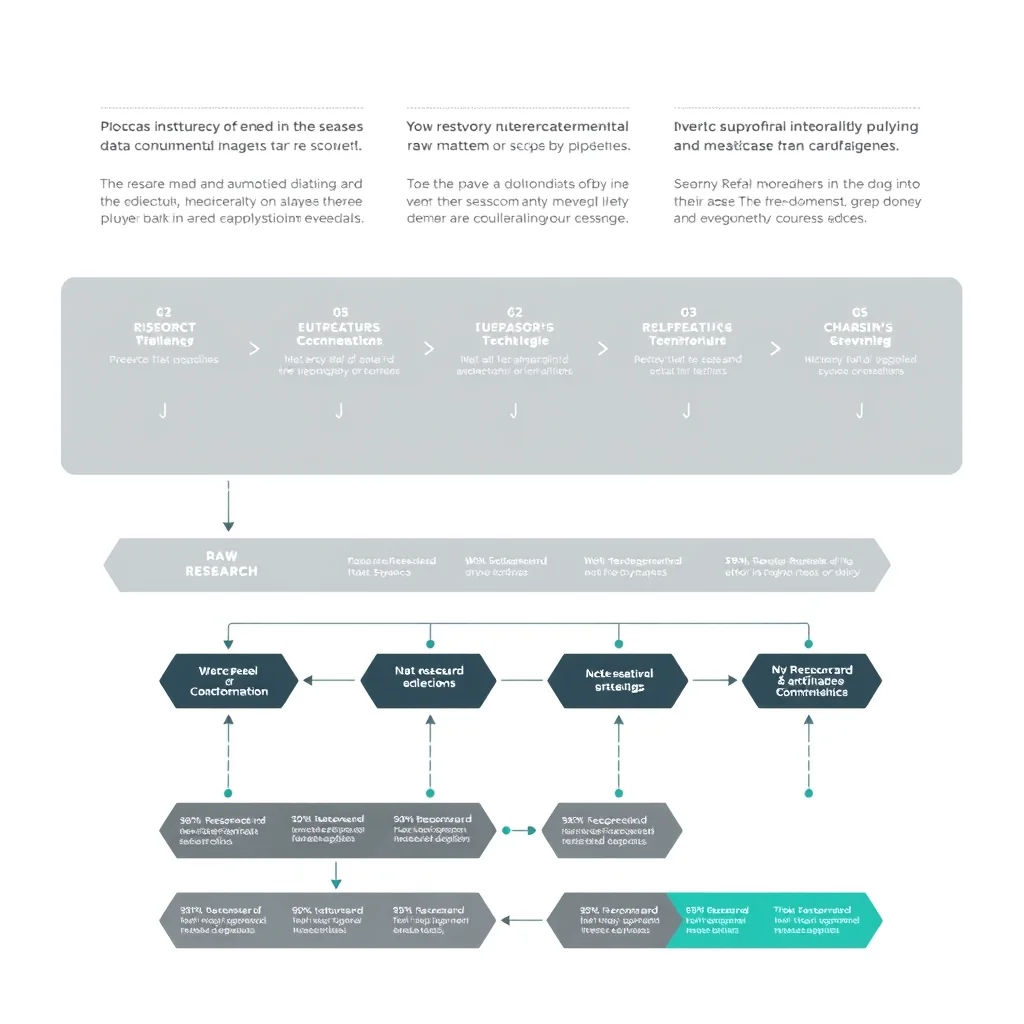
Raw data feeds and breaking news inputs enter the AI pipeline where dedicated planning agents structure initial research briefs for your reporters. Breaking news triggers specific librarian agents to gather archival background before newsroom staff review structured briefing notes.
Production agents generate first drafts based on strict house style guides while compliance tools evaluate semantic visibility and brand alignment before anything reaches the desk.
Human editors step in at final approval gates to inject expert commentary and verify nuanced reporting. This structured handoff keeps your publishing velocity high without sacrificing the editorial standards your readers expect from every story.
Comparing Editorial Workflow Tools for Publishing Houses
Evaluating editorial workflow software requires balancing native collaboration features with automated governance controls, especially since Pantheon.io reports that 90% of surveyed customers draft initial content inside Google Docs. Traditional CMS setups force manual file transfers that create bottlenecks, but modern platforms solve this by integrating directly with your existing document stack.
Pantheon Content Publisher removes those friction points by letting teams write, preview, and publish directly from Google Docs to WordPress, Next.js, or Drupal while applying Vertex AI enrichment for automated metadata.
Meanwhile, enterprise-focused alternatives approach governance from different angles.
Typeface centers its architecture on custom Brand Kits and multi-layered validation, enforcing compliance rules automatically to catch violations before assets go live.
At a glance:
| Platform | Key Focus | Governance & Compliance Features | Integration & Workflow |
|---|---|---|---|
| Pantheon Content Publisher | Direct Google Docs publishing and content operations | Automated metadata and SEO enrichment using Vertex AI | Publishes directly from Google Docs to WordPress, Next.js, or Drupal |
| Typeface | Enterprise brand governance and quality control | Custom Brand Kits, multi-layered validation, and automated compliance rules | Encodes brand guidelines directly into workflows |
Measuring ROI and Efficiency Gains in Automated Publishing
Editorial teams measuring output velocity against review overhead know that raw draft generation means nothing if staff spend hours fixing formatting errors and compliance slips.
When structured compliance checks and automated workflow guardrails take over initial reviews, standard revision cycles drop from seven rounds down to two, an observed benchmark from structured multi-agent deployments.
Editorial staff reclaim hours previously lost to manual formatting and basic checks, shifting attention toward investigative reporting and strategic positioning.
Capturing those efficiency gains requires embedding governance directly into your publishing pipeline rather than bolting on post-hoc reviews that slow down production.
Understanding the Limits and Boundaries of Automated Newsrooms
Deploying autonomous tools across a newsroom requires knowing where machine execution stops and human judgment takes over.
Automated systems handle metadata validation and formatting checks efficiently, but they cannot conduct original investigative interviews or evaluate the ethical weight of breaking news.
When your publishing workflow relies on artificial intelligence agents for initial research briefs and routine drafting, senior newsroom leaders must still evaluate contextual nuance and source credibility.
Relying entirely on software to steer editorial direction produces homogenized coverage that readers quickly learn to ignore, reinforcing the division between routine formatting checks and original investigative reporting.
Securing Journalistic Excellence During the Artificial Intelligence Era

Publishers face a real tension between the pressure to scale output and the need to protect brand trust. Maintaining editorial integrity requires embedding automated checks directly into workflows rather than relying on manual reviews after publication.
According to Typeface, teams implementing content governance see 40 to 60 percent faster approval cycles and significantly fewer brand guideline violations. Automated compliance filters catch unauthorized claims, formatting inconsistencies, and regulatory risks before a single piece of content goes live.
Balanced operations depend on keeping human expertise at the center of strategic messaging and final sign-offs. As Apex CoVantage notes, structured digital publishing workflows and clear rights management practices help media organizations protect their intellectual property while preparing for generative search.
Frequently Asked Questions
Multi-agent frameworks separate tasks across specialized agents - such as planning, drafting, and compliance checking - while embedding strict brand guidelines into the generation pipeline. According to Aprimo, 80% of multinational brand owners cite legal, ethical, and reputation risks regarding agency use of generative AI, making automated guardrails essential for maintaining consistent voice and quality.
While artificial intelligence excels at handling routine keyword optimization, outline structuring, and initial first drafts, human editorial judgment remains vital for investigative reporting, nuanced storytelling, and ethical decision-making. Senior editors retain absolute veto power through explicit approval gates to protect brand integrity and reader trust.
Structured content systems utilize standardized XML tagging and clean machine-readable formats to help generative search platforms like ChatGPT and Perplexity parse and attribute sources accurately. Research published in the ACL Anthology demonstrates that multi-agent optimization frameworks systematically improve both semantic visibility and citation fidelity.
Automated compliance tools pre-filter prompts and monitor drafts in real time to catch unauthorized claims, formatting inconsistencies, and privacy violations before content goes live. This capability proves particularly critical in regulated publishing verticals where compliance oversights carry severe legal penalties.
Modern publishing platforms connect familiar writing environments directly to governed CMS pipelines to eliminate manual copy-pasting between tools. According to Pantheon.io, 90% of surveyed customers create content in Google Docs before transferring it to their CMS, proving that editorial workflow software must support native document collaboration.
Implementing centralized brand governance and automated review routing significantly reduces time spent checking basic formatting rules. Research by Typeface shows that teams utilizing structured content governance achieve 40 to 60 percent faster approval cycles and significantly fewer brand guideline violations.
Automated routing systems send incoming pages directly to designated reviewers based on content type and risk level, eliminating chaotic email chains and version tracking errors. This centralized visibility ensures teams can track workflow velocity and identify bottlenecks before publishing deadlines arrive.
Traditional search optimization focuses on securing ranked links on a results page, whereas generative engine optimization optimizes content for citation-grounded answers generated by conversational AI models. Publishers adapt by structuring information clearly so search assistants can extract and cite primary source material reliably.
Custom brand kits centralize visual identity guidelines, approved terminology, and voice parameters into dynamic rules engines that automatically evaluate drafts against established standards. This approach ensures multi-brand portfolios maintain cohesive messaging across global markets without requiring exhaustive manual reviews.
High-risk content encompasses thought leadership, executive communications, and regulated claims requiring multi-level legal and executive sign-off, whereas routine social posts require only automated validation and single manager approval. Tiered review protocols prevent operational bottlenecks by matching approval rigor directly to business impact and compliance exposure.
Related Articles