Custom Python scripts accumulate hidden engineering overhead through constant API firefighting and maintenance, often exceeding enterprise software costs.
Multi-agent AI automation handles large-scale metadata updates and faceted navigation cleanup while maintaining human oversight through pre-deployment reviews.
Enterprise platforms connect organic search performance directly to revenue attribution, helping growth directors secure budget from executive boards.
Introduction
Managing a growing e-commerce catalog means watching organic traffic flatten while your SKU count climbs past fifty thousand. Spreadsheets break down when you try to track indexing issues across millions of dynamic product URLs. You face a hard choice between building custom Python scripts or buying an enterprise platform.
You spend your weeks jumping between product bugs, customer calls, and trying to figure out why your seed runway is shrinking faster than your pipeline is growing. Organic traffic feels like a distant priority when you are the entire marketing team trying to keep growth on track. You know you need inbound acquisition to work, but spending twenty hours a week on keyword research and writer briefs is out of the question. Agencies promise relief, yet their six-month retainers usually drain your budget before a single demo hits your CRM. Meanwhile, search itself shifted, and old keyword stuffing playbooks stopped working. You need a lean SaaS SEO strategy that runs in the background. That means letting automated SEO for early-stage startups handle the heavy lifting while you keep control of the narrative.
Choosing the wrong no-code automation platform can cost you thousands of dollars and hundreds of hours. As someone who’s built solutions across all major platforms, I’ve learned that the ‘best’ tool isn’t about features—it’s about fit.
TL;DR
Choosing the wrong no-code automation platform can cost you thousands of dollars and hundreds of hours. The ‘best’ tool isn’t about features—it’s about fit.
Key Takeaways:
For the fastest AI agents, start with Relevance AI, but be ready for its pricing as you grow
To connect thousands of apps in powerful workflows, Make.com is the undisputed leader
For ultimate control and the lowest long-term cost, N8N is the champion, if you have the technical skills
After analyzing hundreds of automation projects and comparing the leading platforms, I’ve discovered that success in no-code automation hinges on one critical decision: choosing the platform that aligns with your specific needs, not the one with the most impressive feature list.
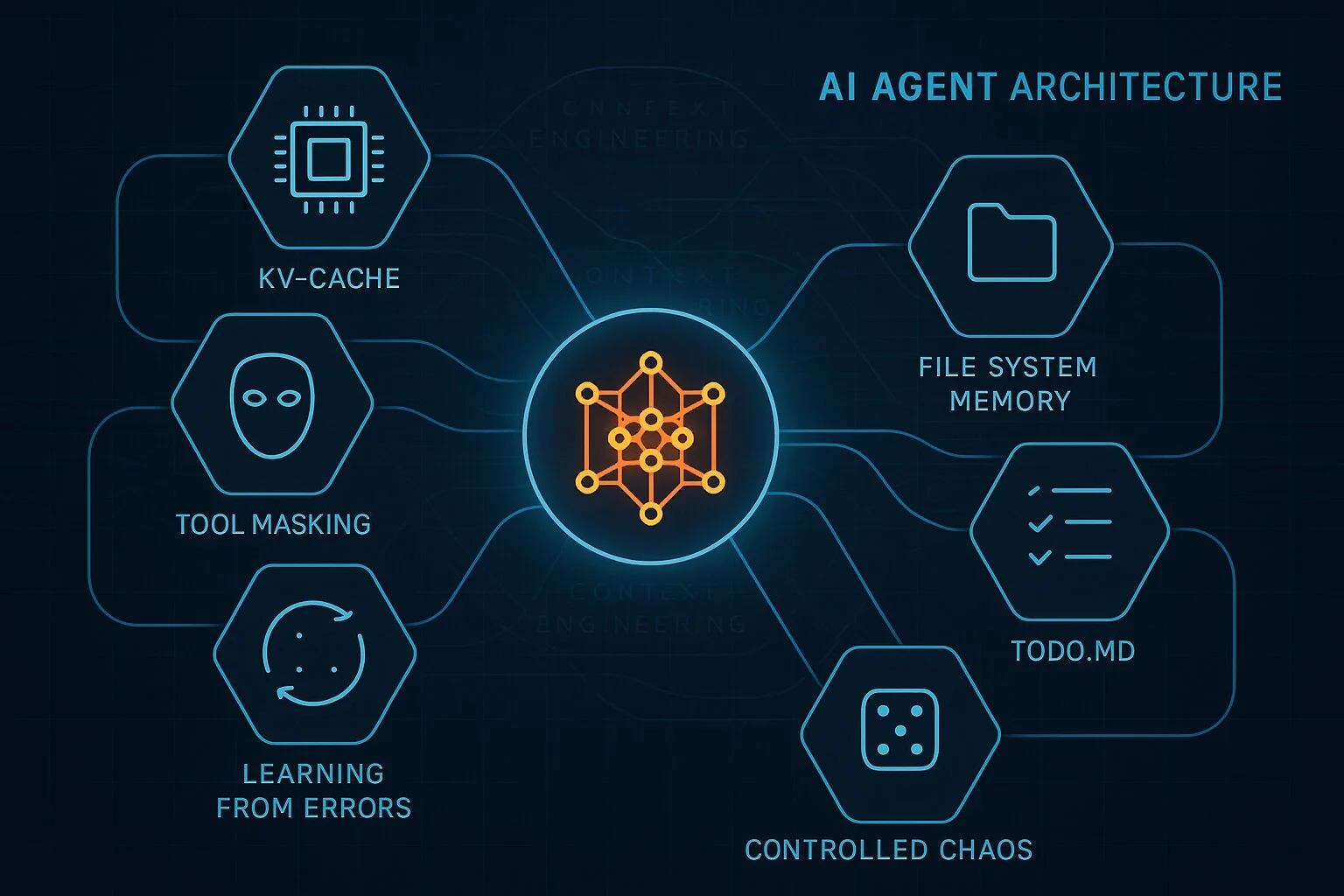
We reduced our AI agent costs by 90% (from $47K to $4.7K monthly) while improving response times 8x through six context engineering principles: KV-cache optimization for 10x cost reduction, smart tool management limiting agents to 5-7 tools, file-based memory systems replacing context bloat, todo.md patterns for campaign tracking, error preservation for agent learning, and proper cache invalidation. These techniques enable our AI agents to handle 10M+ SEO tasks monthly while maintaining context across thousands of analyses. The Human-in-the-Loop approach combines AI’s processing power with human strategic oversight, achieving 340% organic traffic growth for clients in 6 months with AI doing 95% of the analysis work.
At SEO-HS, our AI agents handle 10 million+ SEO tasks monthly – analyzing 500K keywords, monitoring 50K competitor pages, and optimizing content across 100+ client sites. Here’s what shocked us: switching our focus from model selection to context engineering cut our monthly AI spend from $47,000 to $4,700 while improving response times by 8x.