Google Discover operates on a proactive push model that serves personalized content based on user interests rather than waiting for explicit search queries.
Traffic from Google Discover typically arrives in sharp spikes that fade within 48 to 72 hours, requiring a consistent publishing cadence and active topic clustering.
High-resolution imagery at a minimum width of 1200 pixels combined with the max-image-preview:large meta tag is a non-negotiable technical prerequisite for feed eligibility.
The February 2026 Core Update tightened quality standards, heavily prioritizing original research and E-E-A-T signals while penalizing derivative summaries and clickbait.
Publishers can diagnose visibility drops by monitoring aggregate click-through rates and weekly impression trends inside the Google Search Console Discover report.
Introduction
Google Discover is a personalized content feed that appears on mobile app home screens and browser tabs, proactively recommending articles based on user interests rather than waiting for explicit search queries. According to SEOMind studio, Google Discover engages over 800 million users by proactively recommending relevant content in real-time feeds.
Generative search models bypass promotional marketing blogs because conversational introductions and transitional narratives add token processing overhead without sufficient factual density.
Technical help centers structured with predictable markdown hierarchies and strict header trees allow vector search engines to extract exact answers instantly.
API parameters, code blocks, and structured endpoint tables serve as primary extraction targets because they pack maximum technical precision into minimal token footprints.
Automated publishing pipelines can sync internal markdown repositories directly to public help centers without disrupting engineering sprint cycles or developer workflows.
Monitoring generative search performance requires executing multi-turn prompt audits across conversational platforms rather than relying exclusively on legacy keyword position reports.
Introduction
When your software fails to appear in generative search results, you are competing against help centers that deliver direct answers without the marketing fluff. Generative engines extract facts from technical pages while bypassing promotional blog posts entirely. Operators who deal with this shift notice that conversational models discard introductory paragraphs and transitional narratives because they add token processing overhead without factual density. Technical buyers querying AI tools for architectural limits need direct claims rather than sales arguments.
Search experience optimization merges technical search visibility with on-page usability to turn high organic traffic into qualified pipeline.
Chasing raw rankings without auditing post-click user engagement leads to high bounce rates and wasted marketing spend.
Aligning page design choices with specific search intent categories stops immediate visitor drop-offs and improves conversion rates.
Cross-functional planning sessions between SEO specialists and UX designers prevent conflicting structural changes from tanking site performance.
Connecting organic entry points directly to multi-touch conversion attribution systems proves the true economic impact of unified optimization efforts.
Introduction
Growth marketing managers face a frustrating disconnect every day when high search rankings fail to turn visitors into paying customers.
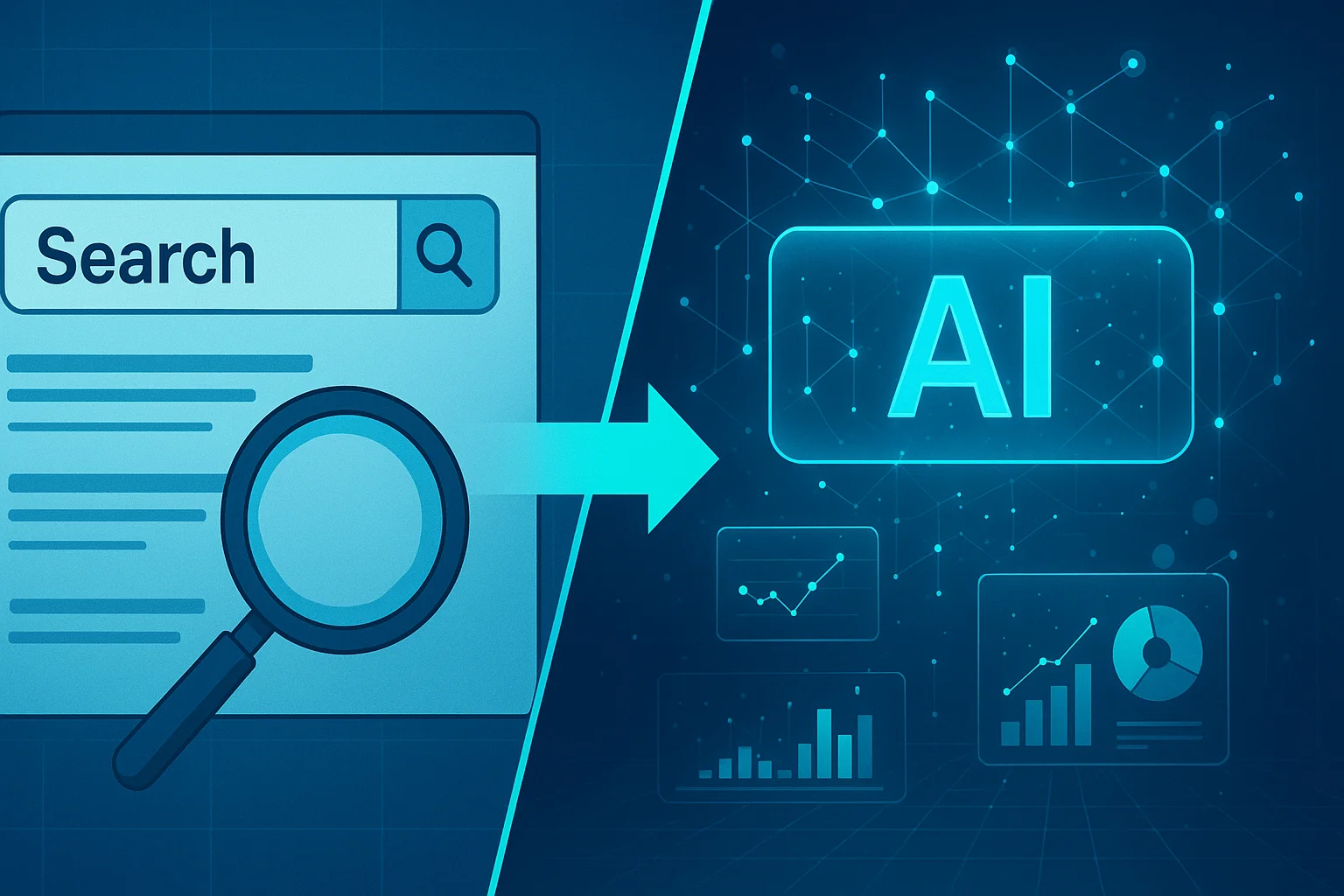
Modern SEO requires mastering 5 optimization types: traditional SEO (68% of traffic), AI Optimization (31% of marketers using), Generative Engine Optimization (100M+ daily answers), Answer Engine Optimization (43% of searches), and Search Experience Optimization (88% user retention factor). Google’s 37% CTR drop since 2020 and 65% zero-click searches demand new strategies. Implementation takes 3-6 months with 40% SEO, 20% AIO/GEO, 20% AEO, 20% SXO budget allocation.
This guide is based on 10+ years of SEO experience working with Fortune 500 companies and analyzing search performance data from over 1,000 websites. All statistics and case studies are sourced from industry-leading research firms and verified through multiple channels.
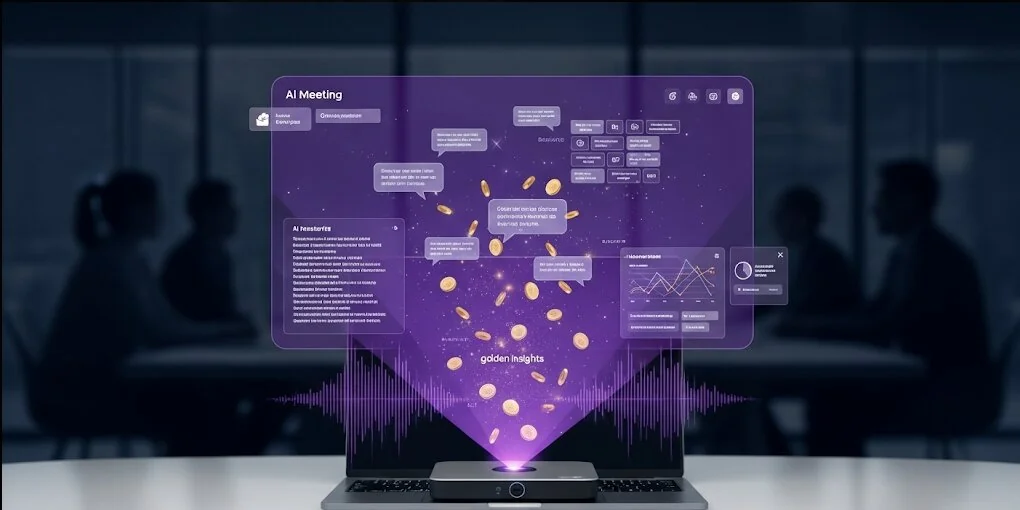
Discover how founders are using AI meeting assistants to uncover customer patterns, generate content ideas, and save 5+ hours weekly—all while building a searchable knowledge base from every conversation.
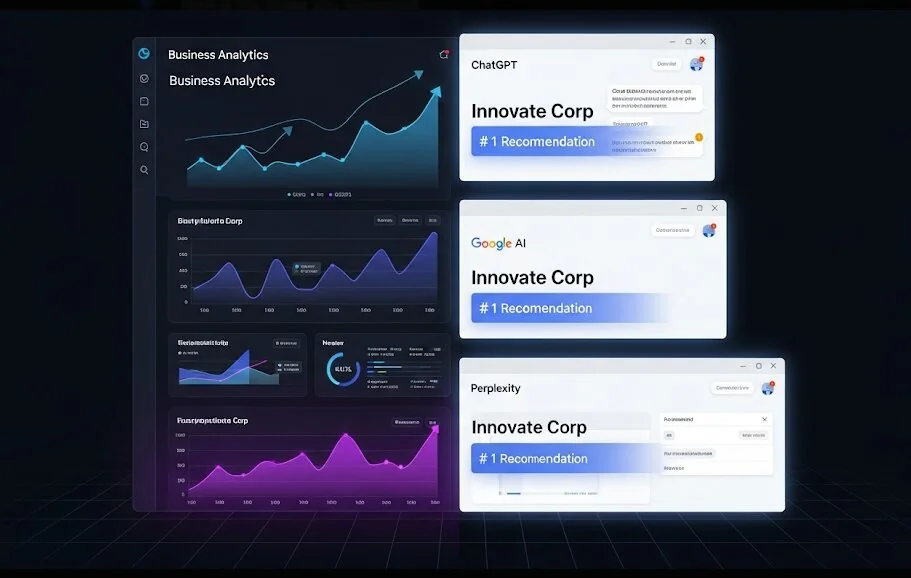
A practical approach for B2B companies and startups to increase visibility when customers ask AI for product recommendations. Learn how to optimize for ChatGPT, Perplexity, and Google AI Overviews.