Google Discover operates on a proactive push model that serves personalized content based on user interests rather than waiting for explicit search queries.
Traffic from Google Discover typically arrives in sharp spikes that fade within 48 to 72 hours, requiring a consistent publishing cadence and active topic clustering.
High-resolution imagery at a minimum width of 1200 pixels combined with the max-image-preview:large meta tag is a non-negotiable technical prerequisite for feed eligibility.
The February 2026 Core Update tightened quality standards, heavily prioritizing original research and E-E-A-T signals while penalizing derivative summaries and clickbait.
Publishers can diagnose visibility drops by monitoring aggregate click-through rates and weekly impression trends inside the Google Search Console Discover report.
Introduction
Google Discover is a personalized content feed that appears on mobile app home screens and browser tabs, proactively recommending articles based on user interests rather than waiting for explicit search queries. According to SEOMind studio, Google Discover engages over 800 million users by proactively recommending relevant content in real-time feeds.
Over the last 24 months, executive buying behavior shifted dramatically as enterprise clients stopped relying on traditional partner referrals and cold outreach for initial vendor discovery.
If you run a professional services firm, your pipeline likely feels like a rollercoaster where one month brings a surge of retainers and the next leaves your partners scrambling for billable hours.
Traditional search marketing promised to fix this volatility, but chasing high-volume keyword rankings no longer brings enterprise buyers through your doors.
Google’s antitrust trial revealed that user signals (clicks, dwell time) and brand strength now dominate rankings. Key findings: Navboost tracks behavior for 13 months, Chrome data influences rankings, and brand signals outweigh traditional links. Focus on user experience, brand building, and technical excellence for sustainable SEO success.
Post-Antitrust SEO Strategy: What Google’s Trial Reveals About Rankings
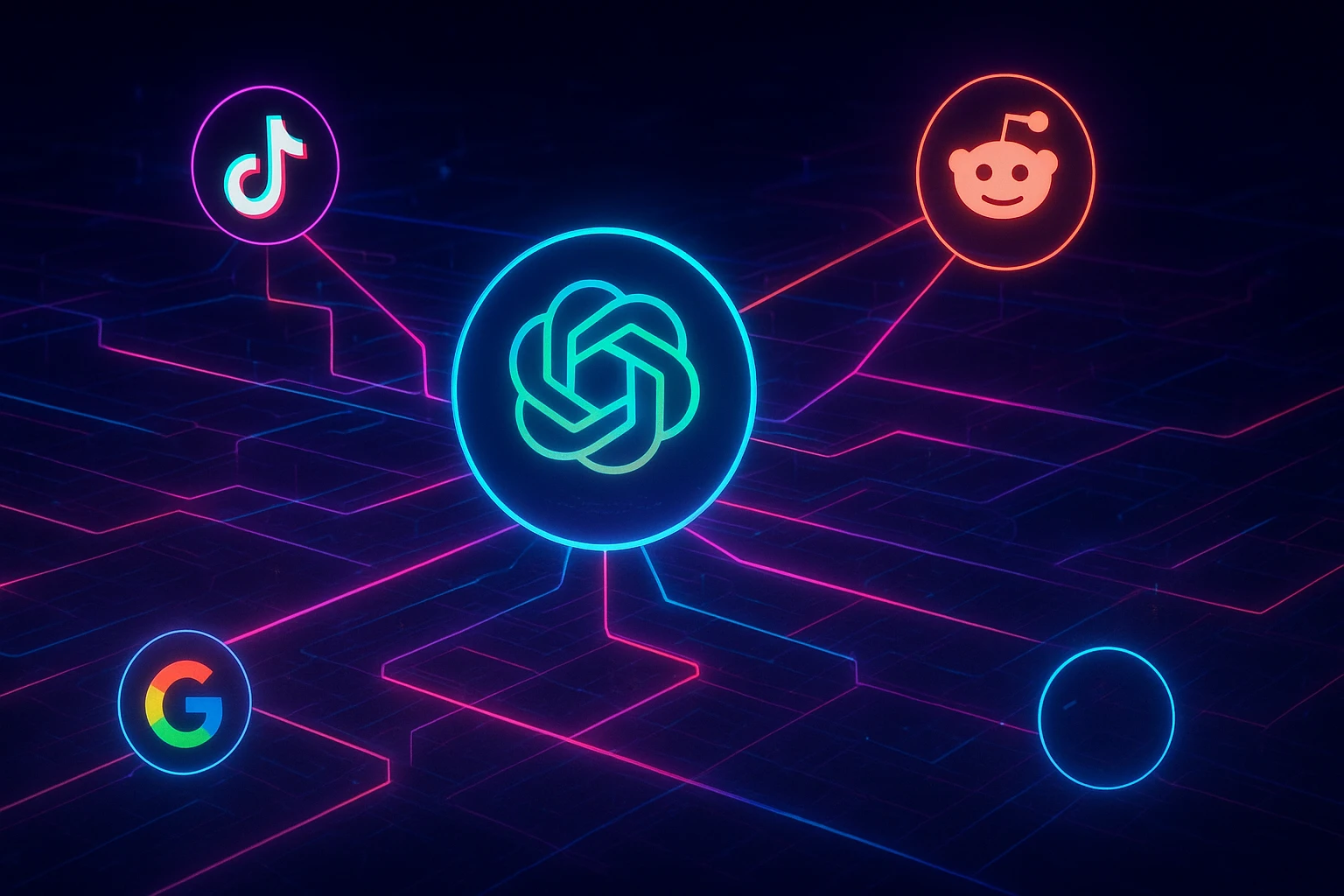
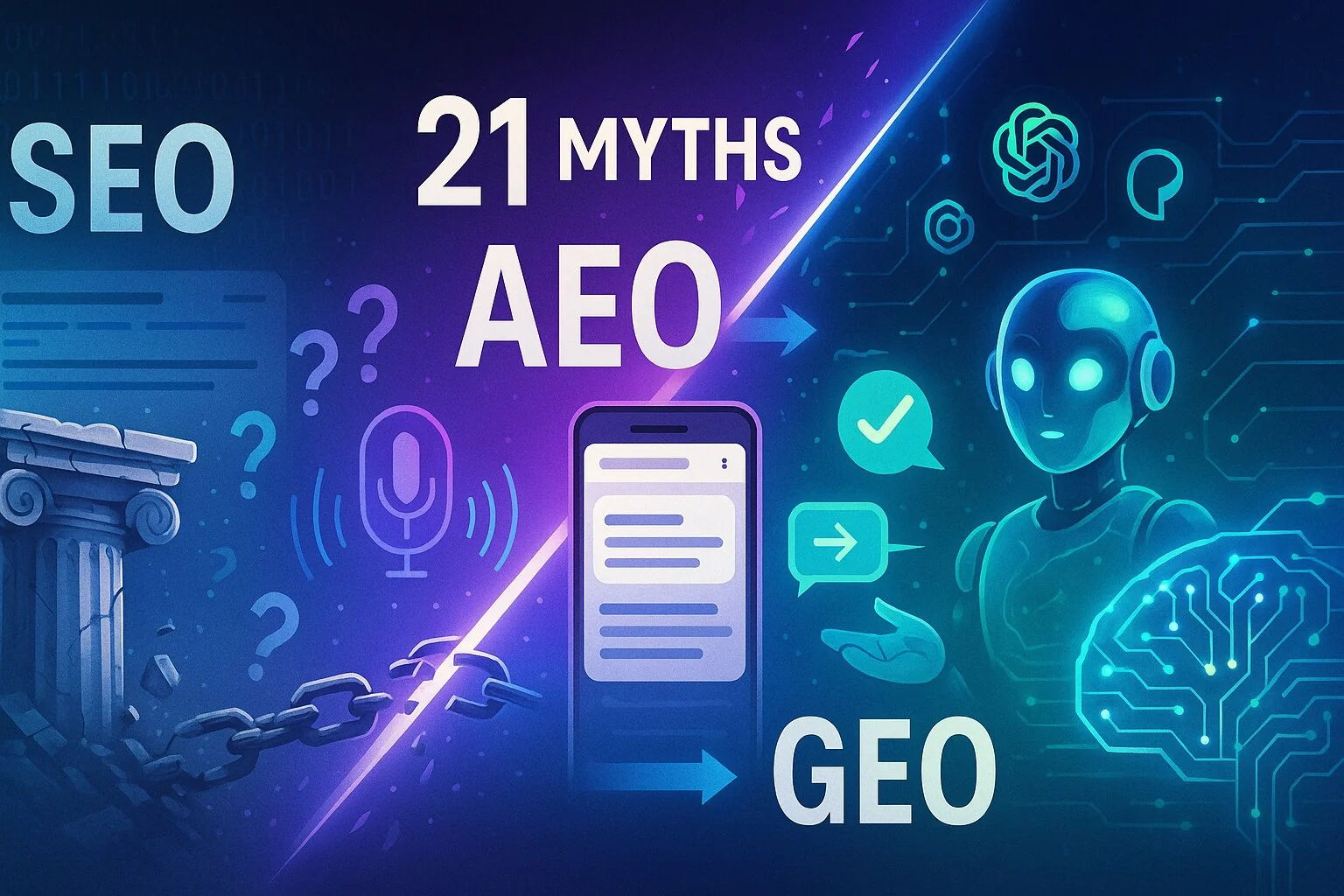
Traditional SEO is dying as Google represents only 18% of global searches. Search Everywhere Optimization (SEvO) is the new game - optimizing for AI chatbots (15% market share by 2028), social platforms, and voice search. Master our 9-level framework from basic SEO to complete topic domination across ChatGPT, TikTok, Reddit, and 20+ platforms.
Remember when SEO meant ranking on Google? Those days are over.